Download Blank The Four Steps To The Epiphany Pdf Free
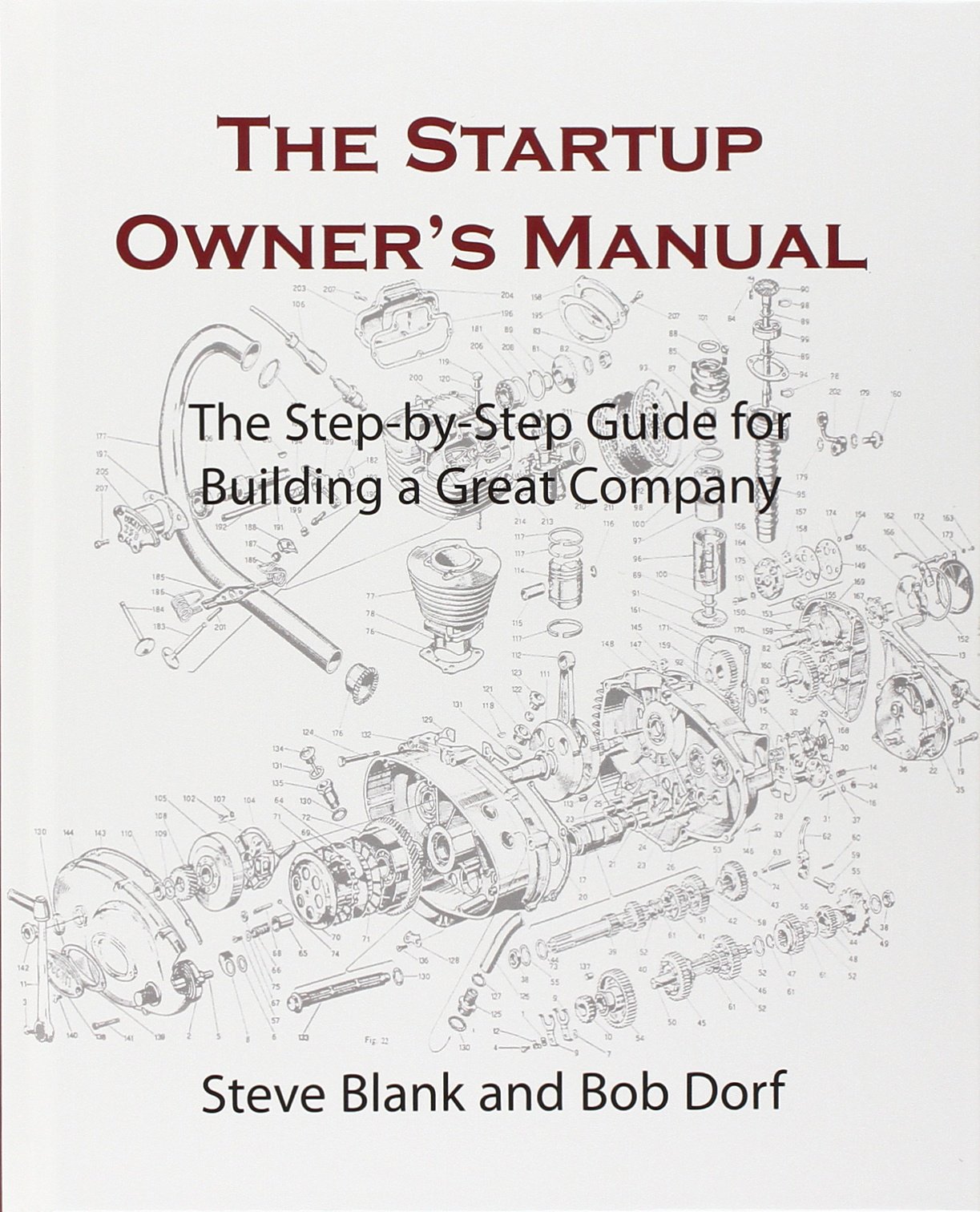
The Four Steps to the Epiphany Successful Strategies for Products that Win Steven G. Blank Second Edition. Roadmap and believe that no model or template could apply to their new venture. They are wrong. For the path of a startup is well worn, and well understood. The secret is that no one has written it. The Four Steps to the Epiphany used by permission from Steven Gary Blank. “Lean Startup” is a term. Figure 1: Steven Blank's Four Steps of Customer Development. This process is used to. Who believe that free is the best way to grow.
No notes for slide• • • HiPPO = Highest Paid Person in the Organization “ In God we trust, all others bring data.” – W Edwards Deming • This is the core of lean startups. The entire goal of what you’re doing is to work through this loop as fast as possible or as Eric Ries says “Minimize the Total Time through this Loop” You start with learn. Izgotovlenie tatu katushki. The more you can discover from the customer before building *anything* the better.
This comes from talking to the customer, using landing pages and other communication directly with the customer. Then once some ideas crystallize as you match patterns across all your customer interactions (online and offline), you can build your MVP. You then measure the results of your MVP, and feed it back into your next round of learning. This learning leads to adding improvements and tweaks to your MVP and thus completing the loop. Again, you want to move through this cycle as fast as you can; that’s the Core of Lean.
• This is the complete process for a Lean Startup. The first step is Customer Discovery which is all about iterating around customer problems. The next step, Customer Validation, which I’ll also talk about. The last two steps, Company Creation and Company Building won’t be covered as that’s really more conventional, MBA-Style scaling of a validated business. The true goal of lean is to take some of the mystery out of getting to the stage where you have Product-Market fit and can scale.
• The core question of the first stage is verifying you’re solving a problem for a customer. You’re laying out what you think the Customer, Problem and Solution are and then testing it in the wild talking to customers.
You exit this cycle when you feel you have a customer determined that wants the product as you’ve mapped it out. • Who are the entities in your business? Anyone who provides value or receives value from your product. Users, customers, channel partners, technical partners, strategic partners, advertisers, your customer’s customers, etc Connect the entities based on the flow of $$ How does the product move through channels to meet users? • Customer Who is using your product? Problem What problem do they have? Solution How will you solve the problem?
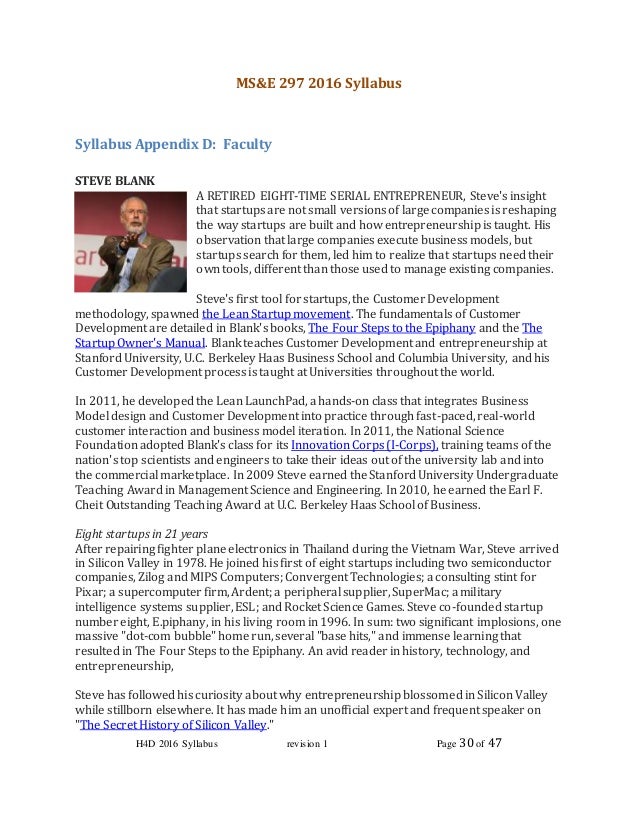
• By mapping out exactly what you think you need, you crystallize your ideas and give you a basis for specifically invalidating your idea Map out the basics of your MVP based on the solutions from C-P-S Identify the riskiest parts & test them one by one This is before you build anythingjust map out what you think is the solution • Early on, the core is all about C-P-S but you should still be thinking about the other segments to understand the big picture of what you’re doing. Is the market big enough? Who will pay money for this? Will they pay what we want them to?
Can we acquire customers where we think they are? Are they actually there? Does our value prop resonate wi th our customer? 2 Places to get this tool: www.LeanCanvas.com www.LeanLaunchLab.com Both allow you to track evolution/iteration of the product • This is a trade of HOURS and DAYS for WEEKS AND MONTHS of building and pushing product.
The goal of the Customer Development team during this time is to Validate the Product Spec. • Stages: Has a problem Is aware of having the problem Has been actively looking for a solution Has put together a solution of piece parts Has or can acquire a budget >>Dream is all of these • • 1) People - Aka - Who Are You? Before you get into anything about problems or your solution, you need to figure out who you're actually talking to. This both warms up your interviewee with some softball questions and gives you an opportunity to build some rapport with them. Some example questions you could ask: What is your name and role at your company?
How do you fit into your company's department structure? Overall in the company? What is your budget like? Who has to approve your purchases?
How do you discover new products for work? Do you need any approval to try them? Have you tried anything new recently?
What is a typical day like on your job? How much time do you spend doing [task X]? (Task X being anything they mentioned in their typical day that stood out) Do not shortchange this opening section of questions! You don't need a novel on their daily life, but you *do need* enough to be able to understand their role within their company, who key players are and a general baseline of their sophistication.