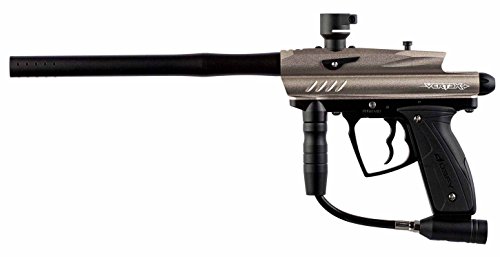
Paintball Gun Serial Number Lookup
Why we are here HotGunz was created by gun owners who felt that regular citizens should have access to stolen gun information. With law enforcement databases only available to law enforcement personnel, there was no simple way of knowing if a used firearm was in fact a stolen gun. The HotGunz stolen gun database is not all inclusive, but it is quickly making it much more difficult for gun thieves to sell stolen firearms. Since the database was created in January 2009 we have never charged any fees to list a stolen gun or search a stolen gun.
I'm wanting to look up some info on my old gun that I aquired a few years a. Out the exact year/ model of your cocker using your serial number.
In the last couple months I’ve been investigating Sniper serial numbers (along with the reversible feed snipers) and I have come across a few more bits of information. Mark Bragg of east St. Louis was able to offer the most helpful information so far. Bragg ran G-Force paintball out of St. Louis and has been a paintgun collector for a long time. In a few emails I have exchanged with Mark in the last couple months he pointed out that most WGP serials numbers from probably 1990 until 2000 are stamped with an exaggerated serif style number script. Mark wrote that almost all Sniper2s, Autocockers, Minicockers, 62 caliber sniper 1s, and the Top Gun reversible feed paintguns (that both he and I own) feature, as Mark wrote ”The same ”fancy” numbers stamped into them.
What I mean is the kinda swirl and rounded ends of the numberskind of a script, if you will.” Bragg went on to explain that Sniper 1 serial numbers are a more simple style stamp and the serif on these characters are NOT as exageratted. Mark went on to give an example: ”My oldest sniper is sub 300, and has a completely different kind of stamp. Like number stamps you could buy from a hobby shop or hardware store.” Here is an old reversible feed body stamped ”WGP R9” I am trying to identify next to a cocker body from likely 1998 stamped ”49507.” You can see the difference between the 9s in each serial.
Methodologies covered include specimen preparation, spectrophotometry, chromatography, immunoassay, mass spectrometry, and methods validation. The second section is devoted to analytical principles, including both theory and applications. The third section covers commonly encountered analytes, including alcohol, benzodiazepines, GHB, miscellaneous central nervous system depressants, opioids, cocaine, cannabis, amphetamines/sympathomimetic amines, hallucinogens, anticonvulsants, antiarrhythmics, antidepressants, antihistamines, neuroleptics, nonnarcotic analgesics, carbon monoxide/cyanide, inhalants, and metals. Principles of forensic toxicology 3rd edition barry levine pdf. The first section provides an introduction to postmortem forensic toxicology, human performance forensic toxicology, forensic drug testing, and pharmacokinetics and pharmacodynamics. Additions to this section of the fourth edition include chapters on pain management and performance-enhanced drug testing.