Baldwin Ode Banjo Serial Numbers
The world's largest used banjo inventory. Browse By Brand. Baldwin ODE 6510 2SR (sold). 22 frets, rosewood headstock overlay features ODE logo inlay and Baldwin. My Banjo Bio; My Banjos Over The Years; Plectrum Banjo Instruction. Baldwin, Baldwin-Ode, and Ome banjos.). The serial number on the dowel stick has been.
I am an active duty Army soldier who will be retiring this summer and as a retirement gift to myself I am seeking to purchase a banjo and learn to play. This is something I have wanted to do for years but never found the time to devote to it. My knowledge and experience with Banjos is very limited so excuse the ignorance. Long story short I have found what I believe to be a good deal on a quality banjo but need some advice.
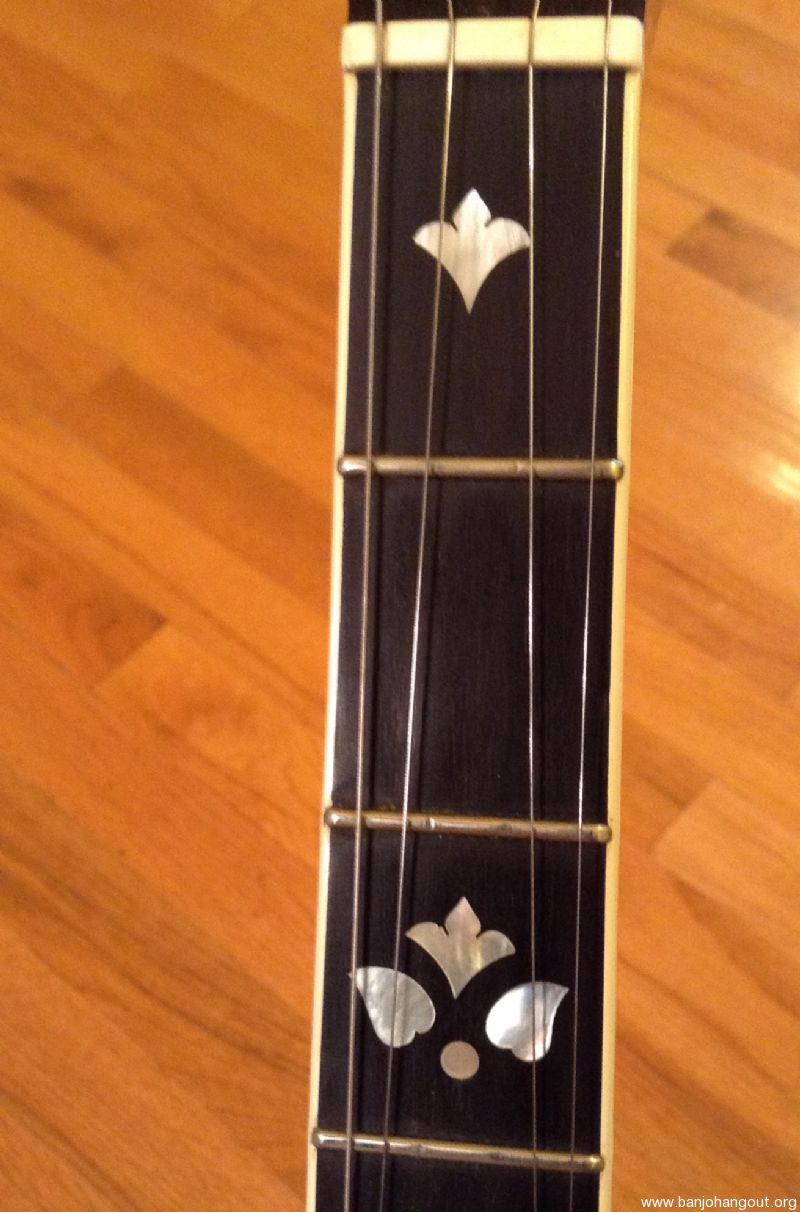
The banjo I am looking at is a Baldwin Ode (Model # 6505 / Ser # 8-80-63). The finger board has hearts and flowers on it and it has a wood rim with tone ring. Wood appears to be walnut.
A: All versions of Amiga Forever 6.0 and higher include a 3.1 Workbench disk image (ADF file). Version 3.1 is the last system version which was supplied in a format capable of running from a floppy disk. Classic Workbench. Download an Amiga Workbench OS. Preinstalled packs setup for real. A500+ A600 A1200 A1500+ A2000+ A3000 A4000 and UAE. 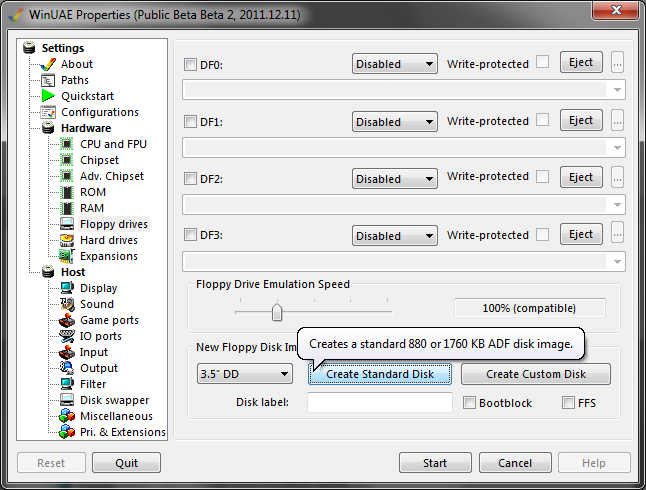
Asking price is $1000.00. The banjo is in perfect condition and sounds fantastic. I examined is thoroughly and find nothing wrong with it at all. Is $1000.00 a decent price for a banjo of this type? Also does anyone know the year it was made of any other specifics from the model and serial number? I thank each of you in advance for your help!!
Ole, Baldwin Ode banjos were made from 1966 until the very early 1980's, so your banjo had to have been built sometime during that 14 or 15 year period. Most that I've encountered have been from the 60's and early 70's. The ones I've seen and played have been very serviceable instruments.
The instrument you're considering matches the specs of the Baldwin Ode Model C, which was their midrange instrument. You can find the model description about halfway down on this PDF file of their 1967 catalog: Hopefully someone with far greater personal experience with Baldwin Ode banjos than I have chime in on this thread, but having put together more than one five string banjo from parts, I can tell you that the asking price sounds fairly reasonable to me. Just getting parts of that quality to build one for yourself would cost close to that. So I'd definitely try to haggle on the price if I were you, but it doesn't sound outlandishly expensive to me. You might want to check with the folks on the Mudcat Cafe website, to get their opinions on the price - there are probably more dedicated five string banjo players on that forum than on this one. But it sounds like a good deal to me. I actually prefer the sound of walnut banjos to maple ones, as they have a sweeter midrange and low end, in my opinion.
Hope this helps. Wade Hampton Miller.
It’s been a half-century since an enterprising young Colorado university student took his engineering school education, turned it toward his real passion, and an American musical institution was born. When Chuck Ogsbury decided to sand-cast aluminum banjo rims and sell his personal collection of Civil War-era and other rare firearms to finance the production of the first one hundred ODE banjos in 1960, he had no idea he was starting a company that would influence American banjo manufacturing for fifty years and put some of the most innovative and beautiful instruments into the hands of thousands of musicians here and abroad. OME Banjos “Actually, I never really thought when I did this that I’d make a lifetime career of it,” Ogsbury explains. “ I left it for a while and never thought I’d go back into it. I like to innovate, so if I’m not going to be able to do it better, then why bother? But, when I got into [building banjos], it was a more holistic lifestyle that was fun, and we’ve been constantly improving our products.
I’m in a surge now; the fiftieth anniversary got me going again. We’re coming out with some new things.” Born and raised in the Bluegrass State of Kentucky, Ogsbury spent his youth gaining experience that eventually would prove invaluable as he started building banjos: he collected, restored, and sold antique and vintage firearms. “Firearms are similar to banjos; so, I learned how to work in the art form of wood and metal and was a pretty significant gun dealer, rebuilding old Kentucky rifles and Civil War stuff. That carried over to the banjo thing,” he explains.
In 1956, he decided he wanted to experience bigger mountains and moved to Boulder, Colo., to begin studying structural engineering, an educational path that would later prove especially valuable in pursuing his newfound passion for building banjos. “I remember as a kid hearing some of the early bluegrass music being played [in Louisville]. I didn’t get involved, but I did start playing guitar in Kentucky. But, I didn’t get too far with it. It wasn’t until I moved to Colorado that I got involved in the folk music thing. That all started in the late ’50s, and that’s when I got into it. I fell in love with making my own music, so I played guitar first, then banjo.
There were some pretty good banjo players at school, but they were mostly old-time frailing, clawhammer players. That was the type of music that was ‘in’—the folk genre and groups like the Kingston Trio and the Weavers.” The popular folk banjo of the day was the long-neck, open-back Vega model popularized by Pete Seeger. But, a Vega banjo cost over $350 back then, a princely sum to struggling college students in the late 1950s.